
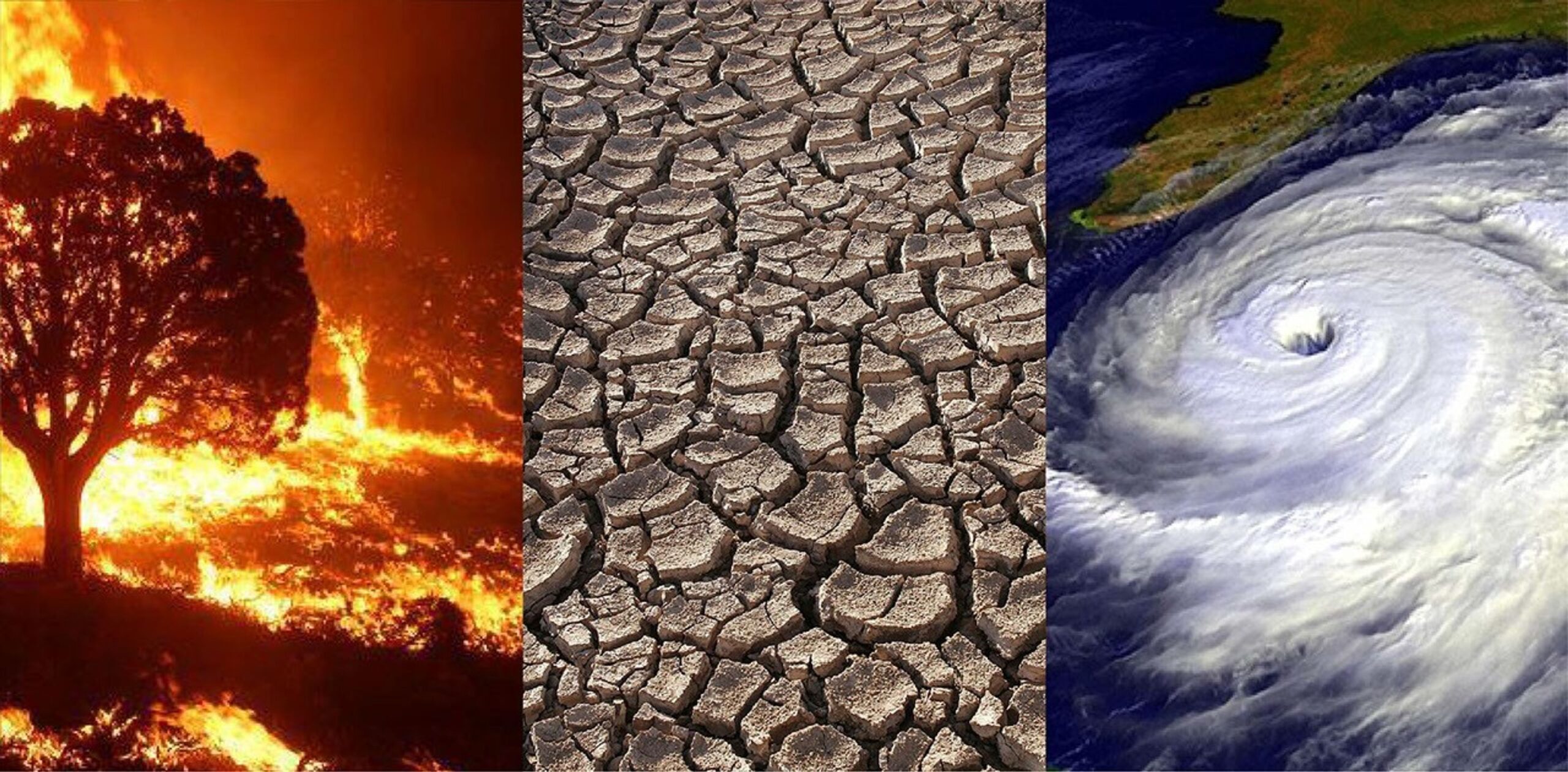
Climate change is one of the most pressing challenges facing humanity today, affecting ecosystems, economies, and societies worldwide. Rising global temperatures, extreme weather events, and sea-level rise have far-reaching consequences for agriculture, health, infrastructure, and biodiversity. Understanding the scope and impact of climate change is crucial for policymakers, businesses, and individuals seeking to mitigate risks and promote sustainable development.
- Environmental Impacts
- Economic Consequences
- Public Health Risks
- Social and Political Implications
- Renewable Energy and Sustainable Solutions
- International Cooperation and Policy
- Technology and Innovation
- Corporate Responsibility and Sustainable Practices
- Education and Awareness
- FAQs
- What are the main effects of climate change?
- How does climate change affect economies?
- What role does renewable energy play?
- How can international cooperation help?
- How does public awareness contribute to solutions?
- Conclusion
The global implications of climate change extend beyond environmental concerns, influencing social stability, economic growth, and international relations. Addressing these challenges requires coordinated efforts, innovative solutions, and increased awareness to foster resilience and adapt to a rapidly changing planet.
Environmental Impacts
Climate change disrupts ecosystems, causing shifts in habitats, species migration, and increased risk of extinction. Rising temperatures, altered rainfall patterns, and extreme weather events threaten biodiversity and natural resources.
These environmental changes have cascading effects on agriculture, water availability, and food security. Protecting ecosystems through conservation, sustainable practices, and climate adaptation strategies is essential for maintaining ecological balance and human well-being.
Economic Consequences
The economic impact of climate change is significant, affecting industries such as agriculture, tourism, energy, and insurance. Damage from natural disasters, infrastructure loss, and changing resource availability results in increased costs and reduced productivity.
Economies that fail to adapt risk long-term instability, while proactive investment in renewable energy, sustainable infrastructure, and resilient practices can mitigate financial losses. Climate-conscious strategies are increasingly central to global economic planning.
Public Health Risks
Climate change poses serious public health risks, including heat-related illnesses, respiratory problems, vector-borne diseases, and food and water insecurity. Vulnerable populations are disproportionately affected, exacerbating health inequalities.
Healthcare systems must adapt to emerging threats, emphasizing prevention, preparedness, and access to medical resources. Addressing climate-related health risks is essential for global stability and human well-being.
Social and Political Implications
The societal impact of climate change includes displacement, migration, and resource conflicts. Communities facing environmental stress may experience increased social tension, political instability, and humanitarian crises.
Governments, NGOs, and international organizations must coordinate to address these challenges through policy, aid, and adaptive strategies. Social and political resilience is critical in mitigating the human impact of climate disruptions.
Renewable Energy and Sustainable Solutions
Transitioning to renewable energy sources, including solar, wind, and hydroelectric power, is a key strategy to combat climate change. Sustainable practices reduce greenhouse gas emissions, promote energy security, and foster economic growth.
Innovation in energy storage, efficiency, and policy incentives enhances the effectiveness of these solutions. Widespread adoption of renewable technologies is central to achieving global climate targets and sustainable development goals.
International Cooperation and Policy
Global collaboration is essential to address climate change, with frameworks such as the Paris Agreement guiding mitigation and adaptation efforts. International cooperation enables sharing of resources, technology, and expertise.
Effective policy implementation requires commitment, transparency, and accountability. Countries working together can achieve measurable progress in reducing emissions and enhancing climate resilience worldwide.
Technology and Innovation
Technological advancements play a pivotal role in combating climate change. AI, satellite monitoring, predictive analytics, and green innovations help track environmental changes, optimize resource use, and inform policy decisions.
Technology enables more precise interventions, early warning systems, and scalable sustainable solutions. Continuous innovation is vital for addressing the complex and evolving challenges of climate change.
Corporate Responsibility and Sustainable Practices
Businesses have a responsibility to adopt sustainable practices, reduce carbon footprints, and support climate initiatives. Corporate action influences supply chains, consumer behavior, and market trends.
Sustainability reporting, green investments, and eco-friendly operations reinforce corporate accountability. Companies integrating climate-conscious strategies contribute to global mitigation efforts and enhance reputational value.
Education and Awareness
Educating the public about climate change is crucial for fostering sustainable behavior and civic engagement. Awareness campaigns, media outreach, and community programs empower individuals to take action.
Knowledge-driven initiatives encourage responsible consumption, advocacy, and participation in policy development. Public understanding of climate issues is a foundation for meaningful environmental and societal change.
FAQs
What are the main effects of climate change?
Rising temperatures, extreme weather events, sea-level rise, biodiversity loss, and disruptions to agriculture and water resources are key impacts.
How does climate change affect economies?
It causes infrastructure damage, productivity losses, and increased costs, while sustainable investments can mitigate financial risks.
What role does renewable energy play?
Renewable energy reduces greenhouse gas emissions, promotes sustainability, and fosters economic growth while combating climate change.
How can international cooperation help?
Collaboration enables shared resources, technology transfer, and coordinated policy action to achieve global climate goals.
How does public awareness contribute to solutions?
Education and awareness empower individuals to adopt sustainable practices, participate in advocacy, and support climate initiatives.
Conclusion
Climate change has far-reaching environmental, economic, and social consequences, demanding immediate and coordinated action. Its global implications require innovative solutions, sustainable practices, and proactive policy measures to protect ecosystems and human well-being.
Looking ahead, technology, international cooperation, and public engagement will shape our ability to mitigate and adapt to climate challenges. Societies that embrace sustainable development, renewable energy, and climate-conscious strategies will be better positioned to thrive in a rapidly changing world.